A Farmhouse Bedroom
A Farmhouse Bedroom Alyssa Bed – Brass With its warm brass finish and vintage-inspired design, this metal bed brings an inviting and refined look to the bedroom. Requires a mattress and box spring. Hope...
One of the toughest decisions people struggle with is where to plant their garden. If you have a container garden, that's easy because you can move them if the spot isn't quite right. That is much harder to do when you have planted into the garden soil or built raised beds. Here are some tips on how to choose the perfect spot for your garden. We hope this Growing for Beginners post inspires you.
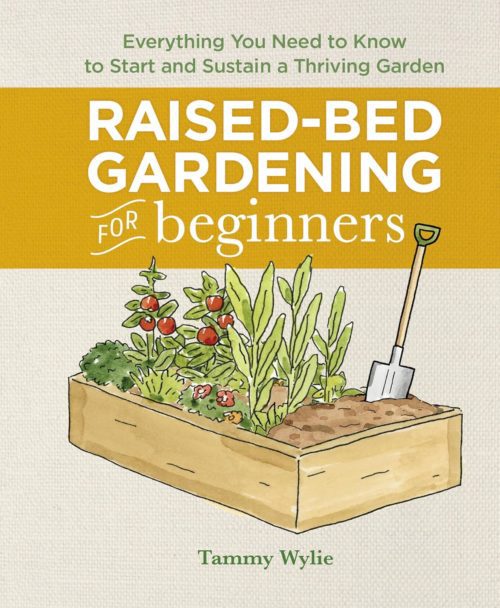

There are so many places you can visit for advice. If you want your information online, start with this book. A raised-bed garden is the perfect solution for the majority of first gardens for so many reasons. The Raised-Bed Gardening for Beginners: Your Guide to Growing Sustainability and Self-Sufficiency book is well-written and easy to follow along with. As always, I suggest getting books that will be frequently referenced to be purchased in spiral-bound form, preferably with laminated pages. I have had this done to a few books and purchased at least one book this way. You can also head to your local store to have it done.
You can find a lot of resources locally. Look for Facebook Groups where they have local meetups. Local gardening clubs are very active during the warmer months, and many operate year-round. Find a local garden where plots are available or being harvested. This will let you know what you can grow successfully and provide other needed information. Look for a plant swap. You don't even have to bring another plant because most of the time, the plants for sale are as well.
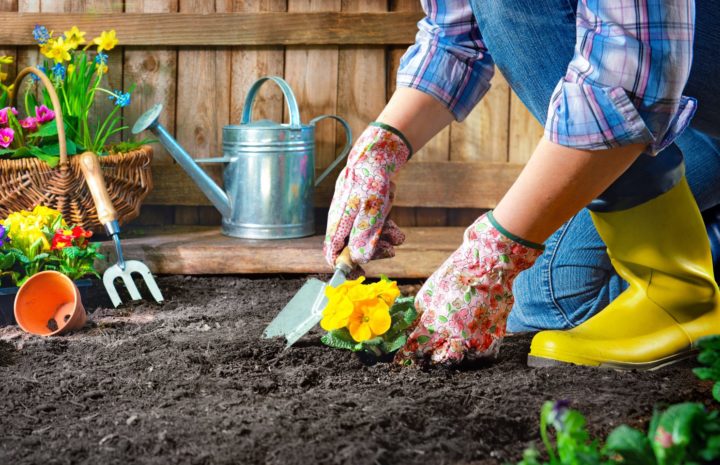
Image from Depositphotos
If you have been in your home awhile you should know what area and time of day your yard gets sunlight. If you haven't, start a garden journal. Every month, mark down what areas receive direct sunlight and for how long. Typically, though, this will be on the south and west sections of your home. Most vegetables and herbs need 6-8 hours of sunlight per day, and can easily take more. Shade plants need only 2-4 hours of sunlight and can survive on less. When you buy a plant or seed packet, look to see how much sunlight it says the plant needs.
If you are blessed with great soil, choosing a garden spot should be easy. In a lot of areas, the topsoil isn't the best or there are a lot of rocks or caliche in the soil, which makes gardening difficult. If this is the case, build a raised bed. You want to grow your garden on a flat surface with very little slope.
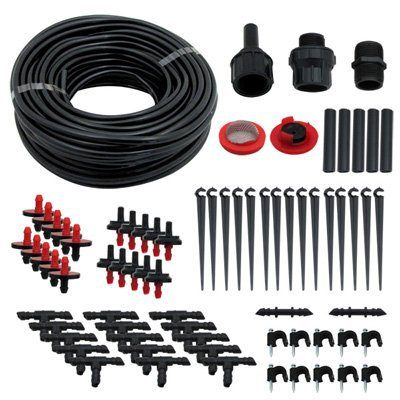
Most homes have irrigation systems or access to a water source to attach a hose. If you don't, then you want to build your garden as close to your water source as possible. If you are handy and enjoy a good DIY, consider adding your own garden irrigation sprinkler kit. We did this in our first home, and while the results were great, it was a slow project with a lot of manual work (see the picture below for the parts included). I was so happy that we could finally set a schedule and water everything that needed it.
When you live in an area with a lot of wildlife like deer or rabbits, you want to plan your garden layout with the little critters in mind. Plan to build a fence around it that also goes down two feet deep. If you have a problem with birds, think about putting a mesh top above your garden. An alternative is to either plant enough for both your family and the critters, or plant certain vegetation that keeps the little guys away.
When planning your garden this year, make sure to build it where you get ample sunlight, have good soil, and/or build a raised bed. Access to water and limiting access from wildlife are the next key steps to having a successful garden this year. We hope this Growing for Beginners post inspires you. Happy planting!

A Farmhouse Bedroom Alyssa Bed – Brass With its warm brass finish and vintage-inspired design, this metal bed brings an inviting and refined look to the bedroom. Requires a mattress and box spring. Hope...

Cabana Lotion Dispenser – Gray – Kassatex A sleek, stylish addition to the bath, this lotion dispenser is decorated with a classic cabana stripe pattern in gray and white. Imported. Bee Linen Tissue Box...

You don’t have to drive with the windows down to keep your car smelling fresh. The new Febreze CAR Vent Clip has a clean and modern design that easily attaches onto the air vent...

This is a sponsored post written by me on behalf of Taste of the Wild PREY. All opinions are 100% mine. Spring Cleaning Life, an Update Not that long ago I wrote a post...