How Design Choices Influence Comfort, Mood, and Lifestyle
The design of a home does more than shape how a space looks. It plays a powerful role in how people feel, how they move through their daily routines, and how they interact with their environment. From the colours on the walls to the layout of rooms and the amount of natural light entering a space, thoughtful design choices can significantly influence comfort, mood, and overall lifestyle. We hope this How Design Choices Influence Comfort, Mood, and Lifestyle post inspires you.

Image from Depositphotos
How Design Choices Influence Comfort, Mood, and Lifestyle
Interior designers often approach homes not just as collections of rooms but as environments that support wellbeing and everyday living. When design decisions are made with this in mind, homes become places that feel calm, energising, and functional all at once.
The Impact of Natural Light on Mood
Natural light is one of the most influential elements in any home. Spaces that receive ample daylight tend to feel more open, welcoming, and uplifting. Sunlight can help regulate sleep patterns, improve focus, and boost mood, which is why designers prioritise ways to bring more light into interior spaces.
Large windows, glass doors, and open layouts allow sunlight to travel further through the home. Modern architectural solutions, such as aluminium doors are often used to create wider openings between indoor and outdoor spaces, helping natural light fill living areas while also enhancing views of gardens or outdoor environments.
Homes that maximise daylight often feel more energising during the day and more relaxing in the evening, contributing to a healthier lifestyle overall.
Colour Psychology in Interior Spaces
Colours can subtly influence emotions and behaviour. Soft neutral tones such as whites, creams, and pale greys often create a sense of calm and openness. These colours reflect light well, helping rooms feel brighter and more spacious.
Warmer tones, such as earthy browns or soft terracotta shades, can make spaces feel cosy and welcoming. Meanwhile, cooler tones like blues and greens are frequently associated with relaxation and tranquillity, making them popular choices for bedrooms and quiet spaces.
Where Style Meets Substance: Curating Spaces with Lasting Appeal
Interior designers often use colour intentionally to match the purpose of each room. For example, energising colours may work well in kitchens or workspaces, while soothing tones are better suited for areas designed for rest.
Layout and the Flow of Daily Life
A home's layout directly affects how people move through their daily routines. Poorly planned layouts can create congestion, awkward transitions between rooms, or spaces that feel disconnected.
Thoughtful layouts prioritise flow and accessibility. Open-plan living areas, clear pathways, and well-organised storage can make everyday tasks easier. When rooms connect naturally, and furniture is arranged with purpose, homes feel more comfortable and less stressful to navigate.
For families or households that enjoy hosting guests, layouts that support social interaction can enhance lifestyle experiences as well. Open kitchens connected to living spaces often become natural gathering points where conversations and activities overlap.
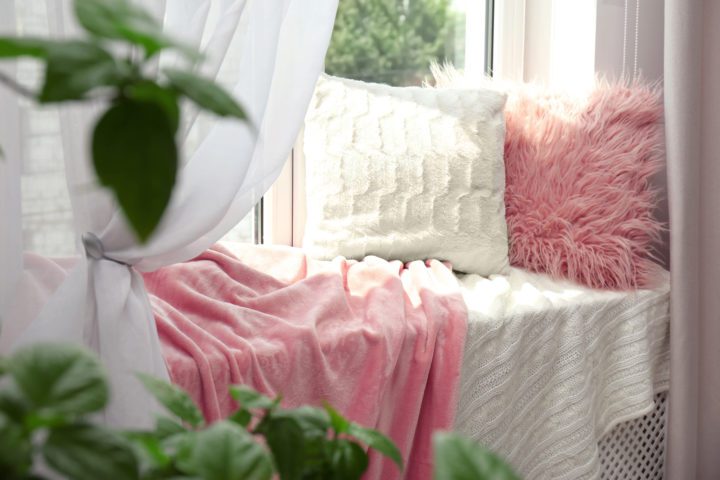
Image from Depositphotos
How Design Choices Influence Comfort, Mood, and Lifestyle
Creating Spaces for Relaxation and Connection
Lifestyle plays a central role in design decisions. Some homes prioritise social gatherings and entertainment, while others focus on relaxation and privacy. In many cases, the best designs balance both.
Shared spaces such as living rooms and dining areas encourage connection between family members and guests. Meanwhile, private spaces such as bedrooms, reading corners, or home offices provide opportunities for quiet and personal time.
When homes offer both social and personal environments, they tend to support a healthier balance between activity and rest.
Indoor-Outdoor Living and Wellbeing
Design choices that connect interior spaces with outdoor environments can have a profound effect on lifestyle. Access to gardens, patios, or balconies encourages people to spend more time outdoors, which can improve mood and reduce stress.
When homes are designed with strong visual and physical connections to outdoor areas, these spaces become natural extensions of everyday living. Outdoor dining, gardening, and relaxation become easier and more frequent.
Designing Custom Embellishments: Tips and Techniques for Creativity and Precision
This connection with nature is often associated with improved well-being, making indoor-outdoor design an increasingly popular feature in modern homes.
The Long-Term Influence of Design
Design choices often have lasting effects on how people experience their homes over time. A well-planned environment can support healthy habits, improve productivity, and enhance relaxation. Conversely, poorly designed spaces may lead to frustration, clutter, or discomfort.
By considering how design influences mood, comfort, and daily routines, homeowners can create spaces that work with their lifestyle rather than against it.
How Design Choices Influence Comfort, Mood, and Lifestyle
Ultimately, thoughtful design goes beyond aesthetics. It shapes the way people live, interact, and feel within their homes. By focusing on light, layout, materials, and personal expression, it is possible to create spaces that support both well-being and everyday enjoyment. We hope this How Design Choices Influence Comfort, Mood, and Lifestyle post inspires you. Happy designing!
Design Tips For Your First Kitchen Renovation Project