How to Get Over a Heartbreak
How to Get Over a Heartbreak We all know what it's like to get to that tipping point in our romantic relationships where we recognize that we are past the point of no return...
Owners of elderly or senior dogs often notice that their beloved pets can be prone to certain health issues as they age. Therefore, it is important to watch for any unusual symptoms and to try to keep your dog healthy. Is your dog suddenly looking larger than usual, or developing an unappealing potbelly? Do you observe an increase in thirst and persistent panting? Or have you noticed a decrease in energy levels and hair loss? These could be signs of Cushing’s disease in dogs. We hope that you find this Treatment for Cushing's Disease in Dogs valuable.
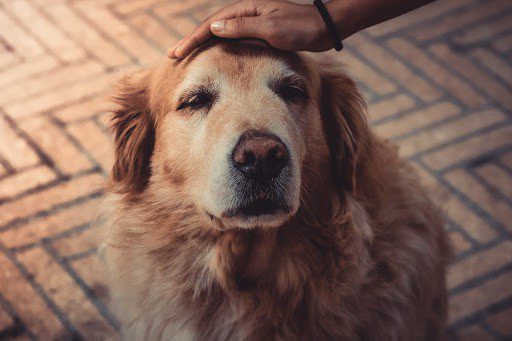
Photo by Jean Alves from Pexels
Cushing's disease, also known as hyperadrenocorticism, occurs when a dog's body produces too much cortisol, a hormone produced by the adrenal glands. While there's no cure, several treatment options aim to manage the symptoms and improve your dog's quality of life. Cushing’s disease occurs from a benign tumor in the pituitary gland. The gland is part of the endocrine system that produces hormones. One or two tumors can form directly on your dog’s adrenal glands, which will activate an overproduction of cortisol. Since cortisol is a natural steroid, an overabundance of this can expose your dog to several medical issues.
Standard treatment for Cushing’s disease will require an array of intense and powerful medications that can affect an older dog’s health, especially if it has other existing health problems, such as kidney and liver disease. Through the consultation of your local veterinarian, you may consider a more holistic approach and use natural treatments such as melatonin and lignans, which are popular in Chinese herbal medicine, supplements, and a well-balanced diet. Natural treatments have been proven to be more effective in the early stages of the disease and create fewer complications with senior pets, so it is imperative to get your dog tested immediately when you see some worrying signs.
The use of melatonin is a milder and more effective way to treat your dog suffering from Cushing’s disease. Plants and traditional Chinese herbal medicines commonly contain melatonin. A dog can naturally generate its melatonin through the pineal gland situated in the brain. The optic nerve sends a message to the pineal gland when nighttime approaches to secrete melatonin. Melatonin for dogs is known to provide antioxidants, induce sleep, maintain the body’s circadian rhythm, assist in canine alopecia, balance hormones that minimize the growth of tumors, and have cooling effects that can aid in alleviating the symptoms of Cushing’s disease. Make sure to get a neutral-flavored product to ensure it is in its purest form. Always consult with your dog’s veterinarian to ensure the right dosage when combined with other medications.
Suggested Melatonin Dosage Guide
Dogs under 25 pounds need to take 1.5 mg of melatonin once or twice daily
Dogs that are with medium to larger frames need 3 mg of melatonin once or twice daily
Do not exceed a melatonin dosage of 3-6 mg every 8-12 hours. Only administer melatonin at night if you observe your dog is always sleepy.
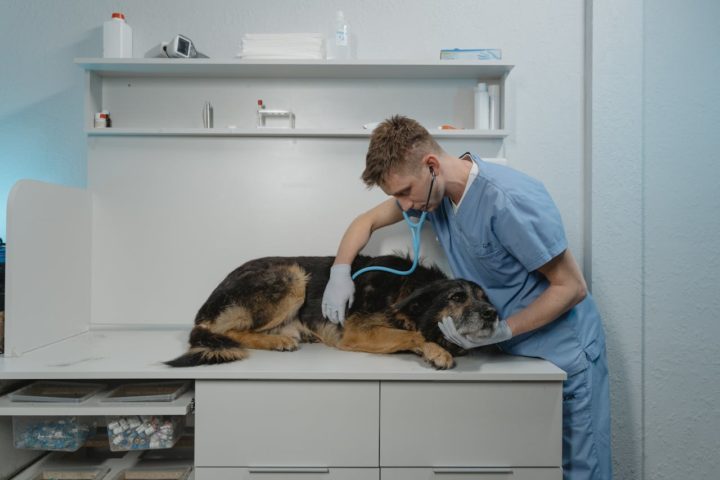
Photo by Tima Miroshnichenko on Pexels
Lignans are found mainly in plants, seeds, grains, and vegetables. They are a large group of molecular-weight polyphenols. In traditional Chinese medicine, flax seeds, which are rich in lignans, are used to alleviate intestinal and gastric issues and soothe dry skin and hair loss associated with alopecia. Lignans are particularly effective in addressing symptoms of Cushing’s disease because they lower the estradiol and cortisol.
1 mg of flax hull lignans per pound of your dog’s body weight, once daily.
A combination of melatonin and Lingnan is successful in treating senior dogs suffering from Cushing’s disease.
The use of dietary supplements can help provide added vitamins, botanicals, minerals, amino acids, and enzymes to your dog’s health. Supplements strengthen your dog’s immune system, which is essential in fighting infections that are brought about by aging and the effects of Cushing’s disease. Consult with your holistic practitioner or veterinarian before giving your dog any added supplements. Supplements with glandular meats and fish oil are known to aid your dog’s adrenal function and heal an irritated scalp and skin, all the while promoting hair growth.
Updating your pet’s diet can significantly improve its overall health and well-being. While kibble is a convenient option, it is often high in carbohydrates, which can lead to obesity and various health issues as your dog ages. Instead, consider switching to a balanced diet that includes beans, potatoes, peas, and either raw or cooked meat for the best results. This approach can help strengthen your dog’s immune system, making it more resilient against infections.
Additionally, reduce sodium and saturated fats in their diet and ensure a steady supply of clean drinking water. Provide proteins from meat organs, as well as fiber and vitamins from vegetables and fruits, to help your senior dog feel its best.
The traditional Chinese treatment of acupuncture engages the use of thin needles that are pricked through a person’s skin at specific points in various places throughout the body. The ancient Chinese method is proven to work on dogs, too. It can help reduce pain and inflammation, balance the endocrine system, and is a holistic cure to the symptoms of Cushing’s disease. Older dogs with arthritis and joint inflammation are usually subjected to the practice of acupuncture.

Photo by Lisa from Fotios Photos on Pexels
The best treatment depends on several factors, including:
Please remember that I am not a substitute for professional veterinary advice. Always consult your veterinarian for accurate diagnosis and treatment plans for your dog's specific condition. Natural and holistic treatment has become a more popular choice among dog owners because it does not carry the harsh side effects of pharmaceutical drugs. Melatonin, flaxseed, dietary change, and supplements combined with exercise can make a significant difference to your dog’s health as it battles Cushing’s disease.

The symptoms of Cushing’s disease in dogs can be misleading because they can appear like the usual signs of aging. Be conscientious in bringing your senior dog for regular check-ups at the veterinarian’s office to be able to catch the disease in its early stages. Early detection means a better chance for recovery. Always consult with a veterinarian to discuss what will best work for your dog’s needs. The goal is to provide comfort in their later years, which is the least we can do to repay our dogs’ loyalty and unconditional love. We hope that you find this We hope that you find this Treatment for Cushing's Disease in Dogs post valuable. Good luck!


How to Get Over a Heartbreak We all know what it's like to get to that tipping point in our romantic relationships where we recognize that we are past the point of no return...

Medicare is a federally funded health insurance program that provides coverage to people 65 years of age and older, as well as those with specific disabilities or conditions. Medicare has several parts, each covering...

So, we all know that kids in foster care go through tough times, right? It’s not easy for them, and they need all the support they can get. One thing that can really help...

Your Personal Injury Case May Take Some Time To Settle After being injured in an accident, you probably have a lot on your mind. You may be feeling a little confused after the accident,...