When the Best Robot Vacuum Mop Combo Beats Buying Two Separate Devices
The best robot vacuum mop combo starts to look appealing when the floor is not just dusty or just sticky. Dinner crumbs sit near the island, pet hair drifts into the hall, and the rug still needs to stay dry. Two separate cleaners can handle that mix, but they also need two docks, two schedules, and more upkeep. This guide looks at the robot vacuum mop combo vs separate decision through the parts that usually decide it in real homes, including layout, mess type, carpet risk, station maintenance, and daily routine.

Generated from ChatGPT
Table of Contents
- When the Best Robot Vacuum Mop Combo Works Best
- How Combo Robots Handle Carpets and Mixed Flooring
- When Separate Devices Are the Better Choice
- Why an Omni Station Changes the Daily Experience
- How to Decide Based on Your Home Routine
When the Best Robot Vacuum Mop Combo Beats Buying Two Separate Devices
A robot vacuum mop combo starts to make sense when one route can solve the mess you actually see most days. Open kitchens, apartments, pet homes, and connected hard-floor layouts often work this way. The dry debris comes first, then the light wipe. That order matters more than it sounds.
If a separate mop has to wait until the vacuum finishes, the handoff becomes another small chore. With a combo robot, the floor does not need to be sorted into separate jobs every time someone drops cereal or the dog walks in with damp paws.
Typical homes where a combo robot makes sense include these.
- Small apartments and condos where a second dock would end up in a hallway or beside the couch.
- Mostly hard-floor homes where hardwood, tile, vinyl, or laminate connect across rooms.
- Pet households where hair, paw marks, kibble, and dander keep landing in the same few traffic paths.
- Busy kitchens where crumbs and light sticky spots appear between meals.
The old separate device argument still has a point. A dedicated vacuum and a dedicated mop can each focus on one job. The tradeoff is that the owner has to manage the handoff.
| Home pattern |
Better fit |
Reason |
| Hard floors with daily crumbs and light stains |
Robot vacuum mop combo |
One route can vacuum first and mop after |
| Mostly carpet with small wet cleaning areas |
Separate devices or vacuum first setup |
Mopping is not needed in most rooms |
| Tile or stone with heavy stains |
Dedicated mop or manual deep clean |
More water and pressure may be needed |
How Combo Robots Handle Carpets and Mixed Flooring
Carpets are the main reason some buyers hesitate. A wet mop pad should not drag across a rug, and thick carpet still deserves a dedicated vacuum pass. A combo robot only beats two devices here when it can recognize soft surfaces and change behavior.
Mixed flooring is where a combo robot needs a trial run, not blind trust. Mapping, carpet detection, mop lift, and no-mop zones can keep mopping on hard floors, but rugs are not all the same. A low-pile runner is one thing. A dark rug with fringe is another. Before the first full schedule, run the robot around the rug edges and see what it actually does.
When carpet and hard floors share the same map, keep the rules specific. Use mop lift only where the pad can clear the fibers. Draw no mop zones around delicate carpets. Keep mostly carpeted rooms on vacuum-only mode. If bedrooms or rugs stay dry, let the kitchen run on its own mopping route.
If you are comparing mixed floor routines, the eufy robot vacuum and mop options show how current combo models pair suction, mapping, mop control, and station maintenance in one setup. The best vacuum mop robot for this kind of home should reduce handoffs, not just add another feature label. The map still has to be accurate. If the robot cannot reliably separate rugs from hard floors, two devices may feel safer.
House Cleaning Services
When Separate Devices Are the Better Choice
A combo robot is not ideal for every home. Separate devices are better when the vacuuming and mopping jobs are very different in timing, floor type, or intensity.
Separate devices may make more sense in these cases.
- Mostly carpeted homes where vacuuming is the main task and mopping is rare.
- Tile or stone floors with heavy stains where wet scrubbing needs more water or pressure.
- Homes with delicate rugs everywhere where any wet mop module creates extra risk.
- Users who prefer weekend deep cleaning instead of daily automated upkeep.
If your home leans heavily toward dry cleaning, compare the eufy robot vacuums before deciding that mopping has to be built in. A vacuum-focused setup can be simpler when hard floor mopping is only an occasional job.
The choice also depends on storage. A large utility room can hold two stations without crowding the floor. A small apartment hallway may not. Space is part of the decision, not a minor detail.
Why an Omni Station Changes the Daily Experience
The annoying part of two devices often shows up after the cleaning is over. One dock is full, the other pad is wet, and the app schedule still needs checking. That is before brushes, filters, and water tanks enter the picture.
An all-in-one station does not remove every chore, but it can shrink the reset routine. Depending on the model, the station may collect dust, wash the mop, dry the mop, refill clean water, and hold wastewater. The work moves to one station instead of two small machines scattered around the house.
The eufy Robot Vacuum Omni S2 is a useful example when the same route includes kitchen crumbs, living room rugs, and pet hair in the hall. It's 30,000 Pa AeroTurbo™ 2.0 suction lifts loose debris first, before the damp roller crosses the floor. In rooms with sticky spots, the HydroJet™ 2.0 self-cleaning roller mop keeps refreshing during the run rather than dragging the same dirty surface through the route. CleanMind AI room customization helps because a kitchen, rug area, and hallway usually need different cleaning behaviors. Afterward, the 12-in-1 Hands-Free UniClean™ Station reduces the separate wash, dry, refill, and dust handling steps that make two device setups harder to keep up with.
For long-term ownership, the station often decides whether the combo stays useful. A good robot with a damp pad sitting at the dock can still become a chore. A station that handles the dirty end of the run makes daily automation easier to keep using.
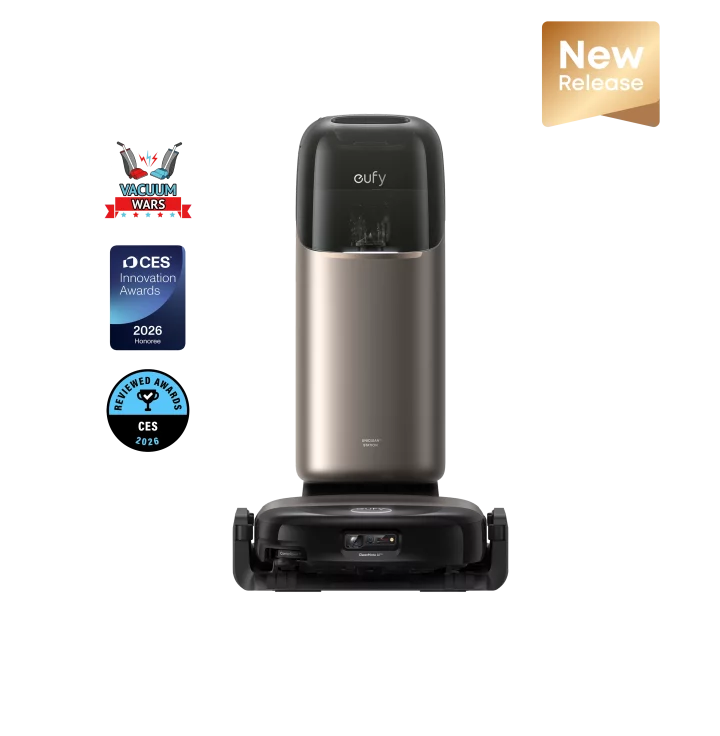
Image from eufy.com
How to Decide Based on Your Home Routine
The best fit is the one that matches the rhythm of your home. A spec sheet cannot answer that alone. Look at where the mess begins, where it spreads, and what you are willing to maintain after the robot docks.
Ask these questions before buying.
- Do most rooms need both vacuuming and light mopping?
- Are your floors mostly hard surfaces with a few rugs?
- Would one dock fit better than two?
- Do you want daily light cleaning more than occasional deep cleaning?
- Will you keep up with pads, water tanks, filters, and dust bags?
If most answers point to daily mixed cleaning, a combo robot is usually the better fit. If the home is mostly carpet, if stains sit long enough to need a real scrub, or if the wet and dry zones barely overlap, separate tools may still be easier to control.
If the goal is less manual cleaning, compare station styles as closely as suction or mop pressure. The dock matters as much as the robot body when you want one system to replace several small chores.
Buying one combo robot beats buying two separate devices when it reduces decisions, not just hardware. One map, one dock, and one cleaning sequence can make daily floor care easier to trust.
Conclusion
A robot vacuum and mop combo beats separate devices when everyday messes overlap in the same rooms, and there is enough hard flooring to justify regular light mopping. Separate machines still make sense for mostly carpeted layouts, heavy wet scrubbing, or rugs that should never meet a mop. Many homes sit somewhere between those two cases. If the main headache is the handoff, the combo has a clearer job. Vacuum first, mop only where needed, return to one station, repeat.
The Top 4 Features to Look for in a Cordless Vacuum Cleaner